Hong Kong is a city that runs on speed, but your nervous system was not designed for endless notifications. Many people here are quietly exhausted, and some are turning to Reiki as a way to slow down. A session of energy healing can feel like a pause button in a city that never pauses. This guide is for anyone curious about Reiki and energy healing but tired of vague promises and mystical jargon.
You do not need to be spiritual to benefit. You do not need to believe in anything unusual. You only need to be willing to lie down, breathe, and receive. In Hong Kong, that alone can feel revolutionary. Reiki and energy healing are not here to replace doctors, therapists, or common sense. They are here to support you while you live your very full life.
What Reiki Really Feels Like in Hong Kong
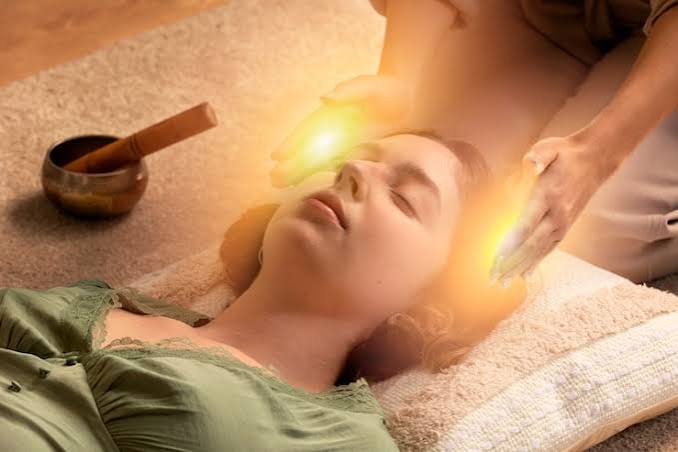
A Reiki session often begins with a conversation. The practitioner asks what brought you there and what you hope to feel. Then you lie down, fully clothed, while hands rest lightly on or above your body. There is no massage, no pressure, and no needles. People report heat, tingling, deep calm, or nothing at all. The lack of drama is part of the point. Energy healing does not need to impress you to work.
In a Hong Kong flat, a treatment room can be small, but the stillness is what matters. The air conditioner hums, the traffic noise fades, and for forty-five minutes you are not responsible for anything. That is rare. Energy healing offers a break from decision fatigue. It asks nothing from you except presence.
Some clients cry. Some laugh. Some fall asleep. All of it is welcome. A good Reiki practitioner will not tell you what you should feel. They will simply hold space while your body remembers how to rest.
Energy Healing Explained Without the Mystical Fog
Energy healing is a broad term. It includes practices that work with the human energy field, often called aura or qi. Reiki is one specific Japanese lineage within that family. It uses gentle touch and universal life energy to encourage balance. You do not need to see energy to receive it. You do not need to understand quantum physics. You just need to show up.
The word energy healing can sound vague, so let us be practical. Think of your body as a system that gets stuck in stress mode. Energy healing aims to shift that stuckness. It is not a cure for cancer or a replacement for surgery. It is a way to calm the nervous system so your body can do what it already knows how to do.
Reiki is often the entry point because it is structured and gentle. Once people feel comfortable, they may explore other forms of energy healing. The goal is not to become a professional mystic. The goal is to feel more at home in your own skin.
The Science, Scepticism, and the Space Between
Hong Kong values evidence, and that is healthy. You should ask questions. You should be sceptical. Reiki does not ask you to abandon logic. Research on energy healing is mixed, but some studies suggest benefits for anxiety, pain, and relaxation. Even if the mechanism is not fully understood, the experience of feeling calmer is real.
A good practitioner will never tell you to stop medication or skip a doctor’s appointment. They will encourage you to keep both. Energy healing works best as a complement, not a replacement. If someone promises a miracle cure, walk away. That is not Reiki; that is marketing.
The space between belief and scepticism is where most Hong Kong clients live. You can doubt the theory and still enjoy the session. You can question the language and still feel your shoulders drop. Energy healing does not require you to sign a loyalty contract.
A First Reiki Session: What Actually Happens
Your first Reiki session may last an hour. You will likely keep your clothes on and lie on a table. The practitioner may place hands on your head, shoulders, stomach, and feet. Some positions feel warm. Some feel neutral. You may lose track of time. That is normal.
Afterwards, you might feel thirsty, emotional, or unusually calm. Drink water. Avoid rushing back into emails. If you can, take a slow walk through a park or sit quietly on a tram. Energy healing often unfolds after the session, not just during it.
Some people feel nothing on the first try. That does not mean it failed. Reiki can be subtle. It may take a few sessions before you notice a pattern. Others feel a shift immediately. There is no correct timeline.
The most important rule is comfort. If you do not want to be touched, say so. A skilled Reiki practitioner will adapt. Your boundaries are part of the healing.
Energy Healing for Stress, Sleep, and Burnout
Hong Kong workers know burnout intimately. Deadlines, long commutes, and tiny apartments create chronic tension. Energy healing can help by activating the relaxation response. When your body leaves fight-or-flight mode, sleep improves. Digestion improves. Patience returns. That is not magic. That is physiology.
Many clients book energy healing because they cannot switch off at night. They lie in bed replaying conversations. A session gives their mind a rest from rehearsing. Some fall asleep during the treatment itself. Others sleep better that night. The effect can last for days.
Reiki is not a substitute for therapy or medication. But it can make those things work better. When you are less stressed, you think more clearly. You make better choices. You show up differently for your family and colleagues.
Finding a Reiki Practitioner You Can Trust
Hong Kong has many practitioners, and quality varies. Ask about training, lineage, and experience. A trustworthy Reiki practitioner will answer without defensiveness. They will explain what they do and what they do not do. They will not pressure you to buy a package on the first visit.
For energy healing, word of mouth matters. Ask friends in yoga studios, wellness centres, and online groups. Read reviews carefully. Look for words like safe, listened, respected. Avoid anyone who guarantees results or shames you for being sceptical.
You should also ask about touch. Some practitioners use hands-on positions. Others work off the body. Both are valid. The best Reiki session is the one where you feel in control. If a practitioner ignores your boundaries, leave. There are plenty of good ones in Hong Kong.
Energy Healing Online: Does Distance Matter?
Remote sessions have become popular because Hong Kong schedules are brutal. You can receive a session from your bedroom in Tai Po while the practitioner is in Central. Does distance matter? Many practitioners say no. The intention and connection matter more than geography.
Online sessions can feel surprisingly intimate. You close your eyes, listen to the practitioner’s voice, and let your body relax. Some people prefer it because they avoid travel and can rest immediately afterwards. Others prefer in-person because they want the ritual of leaving home. Both are fine.
Reiki online follows a similar structure. You talk briefly, set an intention, and receive. You do not need special equipment. A quiet room and headphones are enough. If you are curious but short on time, this is a low-pressure way to begin.
About the Author